Table of Contents
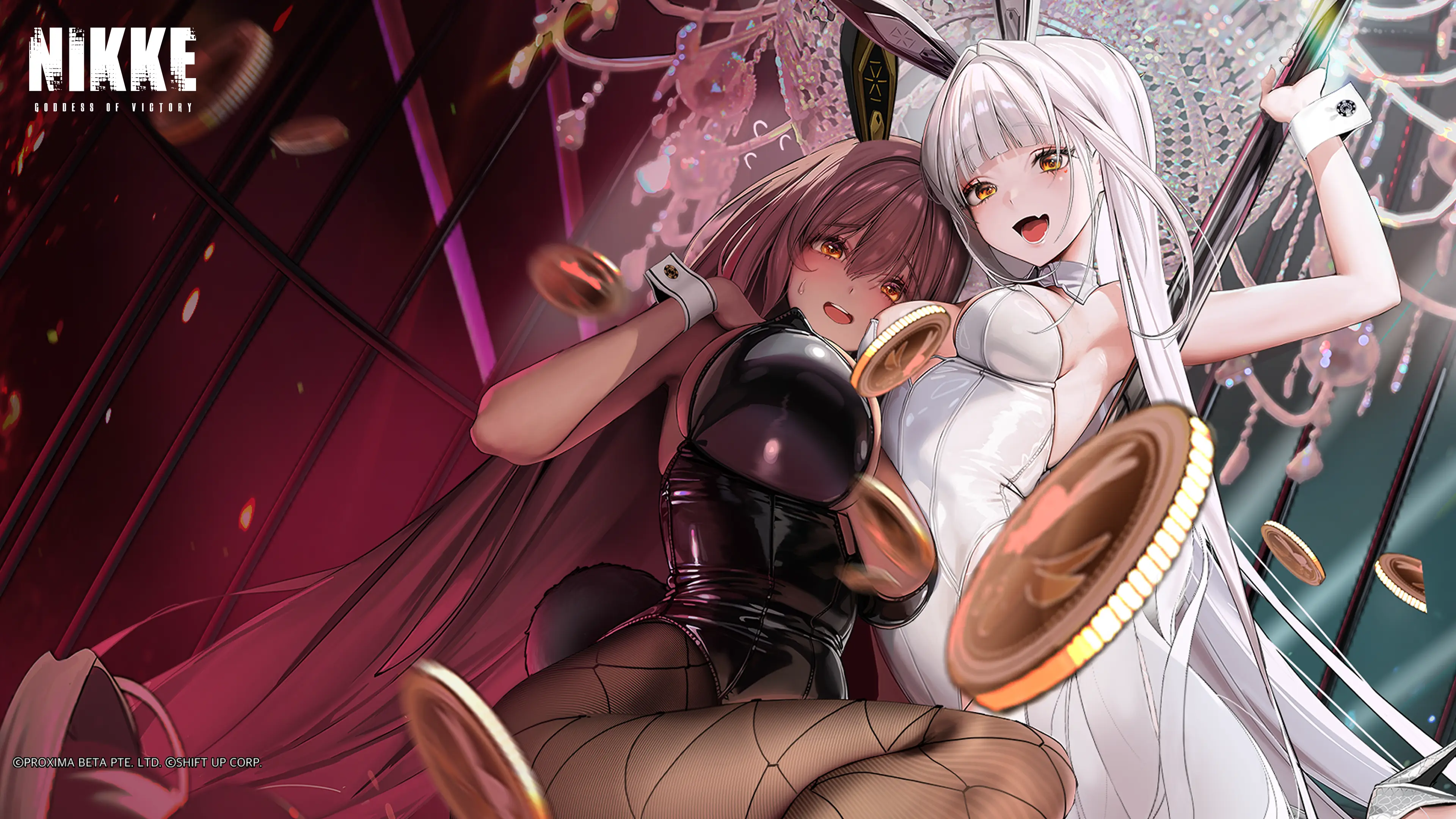
At first glance, gacha games feel like they revolve around luck. You pull on a banner, hope for a powerful character, and assume your progress depends on whether the game gives you something good. That mindset is especially common when people first start playing Goddess of Victory: NIKKE. A lucky pull can make the early game feel much easier.
But players who stick with the game for a while usually notice something else. After the excitement of the first banners fades, progress starts to depend far less on luck and much more on how carefully you manage what you already have.
Mobile gaming today is also connected to a much wider online ecosystem. Players follow updates, read guides, and keep up with discussions across forums and community sites. Since many people play while commuting or using public networks, some even think about connection security when accessing games or gaming platforms. In those situations, players sometimes look into the best VPN to keep their connection private. But once you’re actually inside NIKKE, the difference between slow progress and steady progress usually comes down to decisions you make with your resources.
A Lucky Pull Can Help — But It Won’t Carry You
When someone starts NIKKE, the first instinct is simple: pull for strong characters as soon as possible. Limited banners, new NIKKE releases, and special events make the game feel exciting right away.
However, after a few weeks, most players realize that owning a character is only the beginning. A strong unit still needs to be leveled, upgraded, and equipped properly. Without that investment, even a rare character can feel underpowered.
That’s where resource management starts to matter. Players have to balance several materials, including:
* upgrade materials
* credits and battle data
* core dust
* equipment upgrades
All of these are limited. Spending them too quickly, or spreading them across too many characters, can slow down progress later in the game. That’s why experienced players tend to think more about planning than about banner luck.
The Game Moves at Its Own Pace
Anyone who has played NIKKE long enough eventually hits a wall. Maybe a boss suddenly feels impossible, or a campaign stage refuses to budge because your squad simply isn’t strong enough yet.
At that point, the game starts to reveal its real rhythm. Progress comes from daily missions, event rewards, and slowly building your characters over time. It’s rarely about a single lucky moment. More often, it’s about showing up each day and improving your team little by little.
Game designers often structure mobile games this way on purpose. Systems that reward steady play and patience are common across the industry. Conversations about these kinds of progression systems often appear in places like Game Developer, where developers discuss how resource systems influence how players approach long-term progression.
Experienced Players Tend to Think Long-Term
If you watch veteran NIKKE players, you’ll notice they usually approach the game differently from newcomers. Many of them don’t rush to pull on every banner. Instead, they wait for specific characters that fit their teams and save their gems until the timing feels right.
They also tend to upgrade more selectively. Rather than spreading resources across every new character, they focus on a smaller group of units that can carry them through multiple parts of the game.
You’ll see the same idea come up again and again in community discussions. If you browse strategy posts or team-building guides, many experienced players talk less about lucky pulls and more about patience—when to spend resources, when to hold onto them, and which upgrades are actually worth it.
Luck Still Matters — Just Not as Much as You Think
Of course, luck is still part of the experience. Pulling a strong character early can make the beginning of the game smoother, and a great banner result always feels satisfying.
But as the game goes on, those early moments matter less than you might expect. What starts to matter more is how carefully you handle everything the game gives you—your materials, your upgrades, and the teams you build around them.
That’s why many long-time players slowly change how they approach NIKKE. Instead of chasing every banner, they start thinking about the bigger picture. Which characters will still be useful later? Which upgrades are worth the cost? Which resources should be saved?
In the end, luck might open the door in a gacha game. But in NIKKE, it’s usually careful planning that keeps you moving forward.