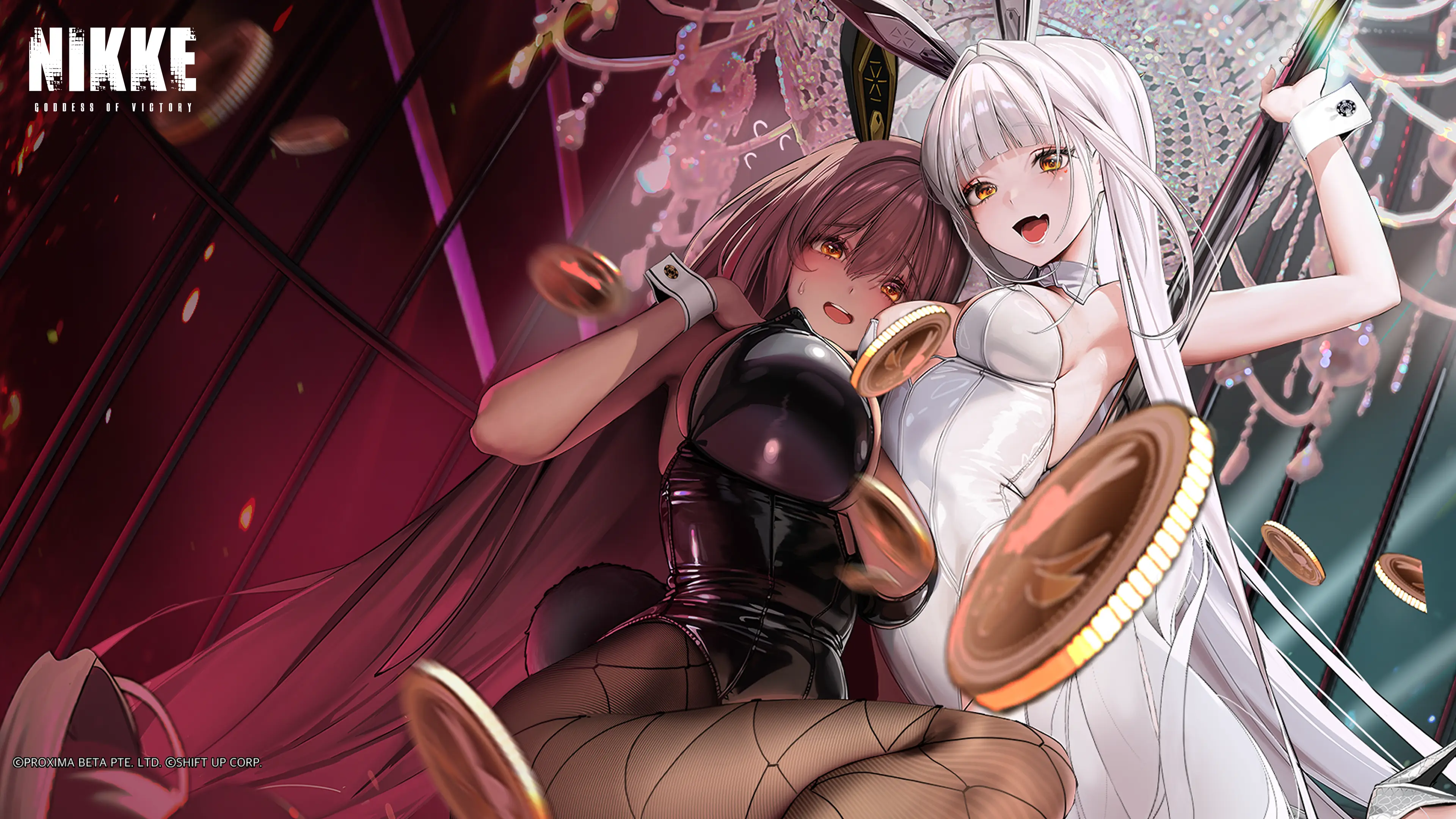
If you play Goddess of Victory: Nikke, RNG, or random number generation, is probably one of the first things you’ll be introduced to. It not only determines character pulls and gear drops, but also quietly impacts your progress behind the scenes. Most players simply associate RNG with luck. Others argue that it can actually be comprehended, controlled, and even tactically utilized. The reality is a bit of both.
Here is a brief discussion about RNG in Nikke, its comparison to other random systems, and the way you can mix luck and planning for a better game experience.
RNG and Gambling: When Chance Meets Strategy
Basically, RNG in games like Nikke is very much like the gambling systems you see in casinos. When you roll the dice for a rare character or try to hunt for better equipment stats, you’re basically dealing with the element of chance. That’s why the concept is often linked to games like online blackjack, where it is a combination of luck and decision making that leads to the results.
Just like in online blackjack, players use a combination of skill and luck to win. Hence, even though the cards are dealt randomly, a poker player can constantly adjust his tactics and rely on probability and timing to come out on top. This is similar to how players of Nikke spend their time on summoning banners or managing their resources. You won’t be able to control the exact outcome, but by understanding the game (when to pull, when to save, and what to do with the result), you can influence your overall success. This is because both systems give importance to being aware of your surroundings and planning your actions, even when luck is a major factor.
What RNG Really Means in Nikke
Random number generation (RNG) in Nikke determines the luck factor of:
- Character recruitment (gacha pulls)
- Gear drops and stat rolls
- Enemy behavior and battle outcomes
- Event rewards and progression pacing
Although these systems might seem random, they are really working according to preset odds. Each summon banner, for instance, comes with specific rates for each rarity level. The chance element lies in the result of each try, not in the system being unfair or inconsistent.
It’s good to know that RNG is not disorder. It’s a patterned randomness.
The Illusion of Pure Luck
You can easily think that luck is the most crucial as far as success in Nikke is concerned, especially if you had a bad run of pulls. Nevertheless, such a perception often results from a short term view.
Think for a moment:
- You get really annoyed when you pull once, and it fails.
- When you pull over for a long period and average the results, they will correspond to the expected probabilities.
RNG is more likely to support steady behavior than an impulsive one. Those players who consistently use the system while efficiently managing their resources usually have more stable results.
This is why some players seem “luckier” than others. Actually, quite often they are:
- Keeping some resources for the best banners
- Knowing drop rates
- Not taking unnecessary risks
Planning Around RNG

Instead of resisting RNG, successful players find ways to cooperate with it. These are some methods of doing so without losing the main point:
1. Resource Management
Only use your gems and tickets on the really good banners. Impulsive expenditure is a big no.
2. Timing Matters
Occasionally, only the limited events give much more lucrative chances. Making plans accordingly is one way to line up meaningful rewards.
3. Set Expectations
Familiarizing yourself with the odds is the first step. If a particular character is only very rarely dropped, it makes sense that you may require changing several times.
4. Build Flexibility
It’s unwise to base your entire strategy on a single result. Backup plans for team composition and progression are always advisable.
Planning can hardly wipe out chance, but it can certainly decrease the number of times you get annoyed and raise the level of your work, leading to effective results.
RNG in Combat and Progression
RNG isn’t just for summoning. Combat and gear systems also have their share of random elements.
An illustration:
- A critical hit might unexpectedly occur.
- Enemies might not always target the same character.
- Each time you get a piece of equipment, its stats might be different.
In addition to introducing a challenge by making the outcome less predictable, these features also make the gameplay more enjoyable, as every fight feels new.
However, the best way to deal with randomness is by:
- Strong team synergy
- Consistent character upgrades
- Reliable strategies that are not risky
Just one battle with a bad RNG shouldn’t break your team’s spirits if you’ve done character building well.
Finding the Balance: Luck vs Planning
So, where does the balance between luck and planning lie?
- Luck can determine an individual’s fate.
- Planning is the key to success in the long run.
Though you can control your way only to an extent, you can control your approach. Players who depend solely on luck most of the time get frustrated, whereas players who plan their moves effectively are the ones who can enjoy the game consistently.
A well rounded mentality embraces:
- Keeping randomness as part of the game
- Deciding based on the knowledge you have
- Being patient in the long run